How to Keep Your Feet Warm This Winter: 7 Cozy Tips
Cold feet are more than an inconvenience — they’re a signal that your body is struggling to maintain core temperature. Your feet, being the farthest extremities from your heart, are among the first places to lose heat when temperatures drop. For many people, this means discomfort, poor sleep, and even health risks during harsh winter months.
The good news? Keeping your feet warm doesn’t require expensive heated gadgets or complex layering systems. With the right materials, proper footwear choices, and a few science-backed strategies, you can maintain toasty, comfortable feet all winter long. In this guide, we’ll share seven proven tips for winter foot warmth, backed by material science and practical experience — plus product recommendations from Oulaf to help you put each tip into action.
Why Feet Get Cold: The Science
Before diving into solutions, it helps to understand the problem. Your feet contain a dense network of blood vessels that play a crucial role in thermoregulation. When your body detects cold, it constricts blood vessels in the extremities (a process called vasoconstriction) to redirect warm blood toward your core organs. This is an evolutionary survival mechanism — but it means your feet are essentially being “sacrificed” to protect your vital organs.
Several factors make feet particularly vulnerable to cold:
- High surface-area-to-volume ratio — feet have a lot of skin surface relative to their mass, meaning heat escapes quickly
- Distance from the heart — blood takes longer to travel to feet, losing heat along the way
- Sweat glands — feet have approximately 250,000 sweat glands; moisture accelerates heat loss
- Contact with cold surfaces — ground, floors, and shoe soles conduct heat away from feet
- Limited muscle movement — unlike your arms or legs, feet generate less metabolic heat through movement
Understanding these factors helps us choose the right strategies. The key principles are: trap warm air, manage moisture, insulate from cold surfaces, and improve blood circulation.
Tip #1: Choose the Right Sock Material
The single most impactful change you can make is switching from thin cotton socks to insulating materials designed for warmth. Here’s how common materials rank for winter warmth:
| Material | Warmth Rating | Moisture Management | Breathability | Best For |
|---|---|---|---|---|
| Merino Wool | Excellent | Excellent | Excellent | Overall best winter sock material |
| Alpaca Wool | Outstanding | Very good | Good | Extreme cold, outdoor activities |
| Thick Cotton | Good (when dry) | Poor | Good | Mild cold, indoor use |
| Bamboo Viscose | Good | Very good | Excellent | Moderate cold, sensitive skin |
| Coral Fleece | Very good | Good | Moderate | Indoor lounging, sleeping |
| Regular Cotton | Poor | Poor | Good | Not recommended for winter |
The bottom line: Wool — whether merino, alpaca, or a blend — is the gold standard for winter socks. The natural crimp in wool fibers creates millions of tiny air pockets that trap body heat while wicking moisture away from the skin.
The Wool Socks ($30.99) use thickened wool construction specifically designed for autumn and winter. The five-finger design also improves thermal efficiency by allowing each toe to generate and retain its own heat — similar to how a mitten is warmer than a glove.
For extreme cold, the Wool Alpaca Thermal Socks ($48.99) offer premium alpaca wool insulation. Alpaca fibers are hollow, which creates exceptional insulation — they’re reportedly 3 times warmer than sheep wool by weight. These socks are ideal for hiking, winter sports, or anyone who spends extended time outdoors.
Tip #2: Layer Your Socks Strategically
Just like you layer clothing on your upper body, layering socks creates additional insulation. But there’s a right way and a wrong way to do it.
The correct layering method:
- Base layer: A thin moisture-wicking sock (bamboo or synthetic) that sits against your skin and pulls sweat away
- Insulating layer: A thick wool or fleece sock that traps warm air
- Outer layer (optional): Your shoe or boot — which acts as the final wind and moisture barrier
Common mistakes:
- Wearing two thick socks — this compresses the insulation and actually reduces warmth
- Wearing cotton as the base layer — it holds moisture against the skin, defeating the purpose
- Wearing socks that are too tight — this restricts blood flow, making feet colder
For a base layer, the Everyday Bamboo Casual Socks ($16.99) are an excellent choice — their bamboo fiber wicks moisture effectively while providing a thin, comfortable foundation. Pair them with a wool over-sock for a layering system that keeps feet both warm and dry.
Tip #3: Invest in Quality Winter Slippers
Your home footwear matters as much as your outdoor shoes. Walking on cold floors — tile, hardwood, or concrete — rapidly draws heat from your feet through conduction. Quality winter slippers act as insulation barriers between your feet and cold surfaces.
What to look for in winter slippers:
- Thick plush lining — traps warm air against the foot
- Non-slip sole — provides insulation from cold floors and prevents accidents
- Closed-toe design — open-toe slippers defeat the purpose in winter
- Snug (not tight) fit — allows insulation to work without restricting circulation
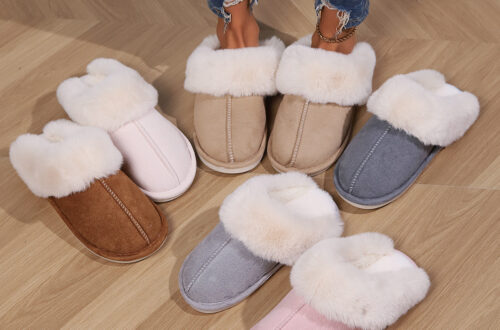
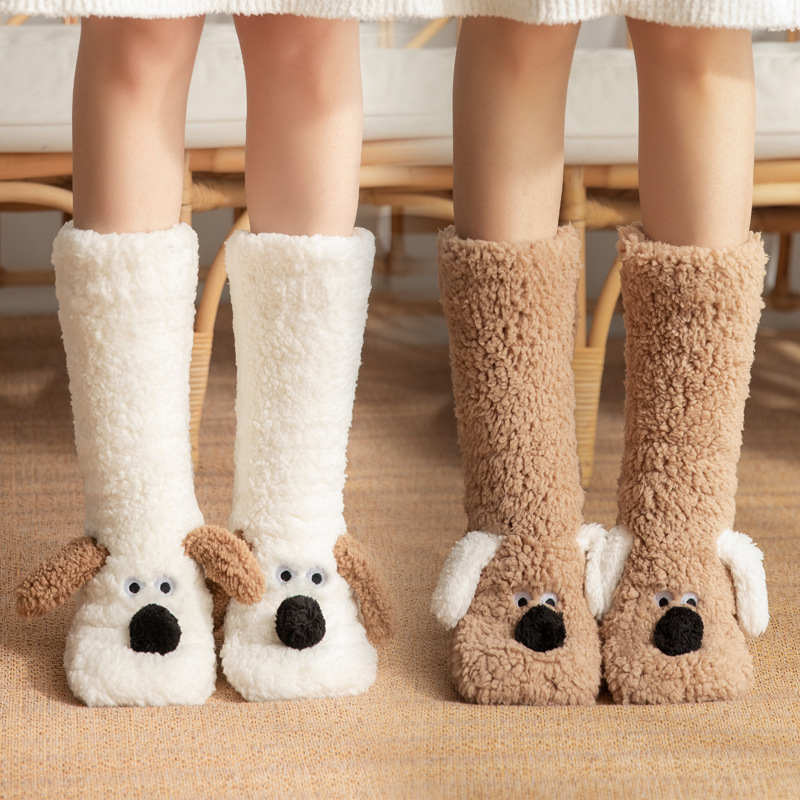
The Plush Bathroom Slippers ($16.99) feature a cushioned plush lining with a non-slip sole — perfect for bathroom and bedroom use where cold tiles are the biggest offenders. For even more warmth, the Cute Cartoon Dog Floor Socks ($28.73) combine the warmth of thick plush socks with non-slip floor grip, essentially serving as wearable slippers for maximum coziness.
Tip #4: Keep Your Feet Dry
Moisture is the enemy of warm feet. Wet socks lose up to 90% of their insulating value because water conducts heat away from the skin approximately 25 times faster than air. This is why getting your feet wet in winter feels so brutally cold — it’s not just the water itself, but the massive heat loss it causes.
Strategies for keeping feet dry:
- Change socks mid-day if needed — especially if you perspire heavily or have been outside in wet conditions
- Use moisture-wicking base layers — bamboo or synthetic materials pull sweat away from skin
- Apply foot powder before putting on socks — absorbs excess moisture and reduces friction
- Avoid cotton as your only sock layer — cotton absorbs and holds moisture rather than wicking it away
- Choose waterproof outer footwear — snow and rain soaking through shoes will defeat any sock
The Fleece Coral Socks ($16.99) are an excellent choice for dry warmth at home. Coral fleece is hydrophobic — it doesn’t absorb water readily — which means it maintains its insulating properties even in humid environments. The mid-calf length also helps by providing warmth above the ankle.
Tip #5: Improve Circulation to Your Feet
Warm feet aren’t just about insulation — they’re about blood flow. If blood isn’t reaching your feet efficiently, no amount of insulation will fully solve the problem. Here are proven ways to improve circulation:
- Move regularly — even simple foot exercises (toe wiggling, ankle circles, calf raises) stimulate blood flow
- Avoid sitting with crossed legs — this compresses blood vessels and restricts flow to the feet
- Stay hydrated — dehydration thickens blood, reducing circulation to extremities
- Consider compression socks — graduated compression promotes blood flow from the feet back toward the heart
- Warm up before going outside — do jumping jacks or walk around the house before braving the cold
Bamboo Compression Socks ($27.99) combine the circulation-boosting benefits of graduated compression with the antimicrobial and moisture-wicking properties of bamboo fiber. They’re particularly effective for people who sit at desks for long periods or have naturally poor circulation.
For even more targeted compression, the Compression Sport Running Socks ($16.99) provide athletic-grade compression that can be worn daily to keep blood flowing to your feet during sedentary work hours.
Tip #6: Protect Your Feet from Wind and Moisture Outdoors
When heading outside in winter, your socks need a partner: proper footwear. Even the warmest socks are useless if cold wind and moisture penetrate your shoes. Here’s how to choose winter-appropriate footwear:
- Insulated boots — look for boots rated for your climate’s coldest temperatures
- Waterproof construction — snow, slush, and rain are constant threats in winter
- Proper fit — boots that are too tight restrict blood flow; too loose allows cold air to circulate
- Thick insoles — add an insulating layer between your foot and the cold ground
For winter sports and outdoor activities, the Ski Socks ($43.99) are specifically designed for cold-weather performance. Their thickened construction provides insulation inside ski boots while wicking moisture during intense activity. Even if you’re not skiing, these socks are excellent for any winter outdoor activity where warmth and performance are priorities.
Tip #7: Warm Your Feet Before Bed
Cold feet in bed are one of the most common complaints during winter — and they significantly disrupt sleep quality. Research shows that warming your extremities before sleep actually helps your body’s thermoregulation process, leading to faster sleep onset and deeper rest.
Pre-bed foot warming strategies:
- Warm foot bath: Soak feet in warm (not hot) water for 10-15 minutes before bed. This dilates blood vessels and brings warm blood to the surface.
- Wool socks to bed: Put on clean, dry wool or fleece socks after your foot bath to lock in the warmth.
- Heated blanket (foot zone only): Place a heating pad at the foot of your bed and warm the sheets before getting in.
- Warm your core first: Drink warm tea or take a warm shower — warming your core helps your body redistribute heat to extremities.
The Women’s Non-Slip Floor & Home Grip Socks ($16.99) are ideal for nighttime bathroom trips — they keep feet warm and provide non-slip grip so you can navigate cold floors safely. For maximum warmth in bed, the Women’s Cozy Fleece-Lined Leggings ($32.99) extend warmth from your core down to your feet, creating a full lower-body insulation system that’s perfect for cold nights.
Bonus: The Mugwort Advantage
For those who suffer from chronically cold knees and lower legs (not just feet), Mugwort Warm Leg Warmers ($17.99) offer a traditional warming solution. Mugwort (Artemisia) has been used in traditional medicine for centuries, and these knee and leg sleeves provide both physical insulation and the herbal warming benefits associated with the plant. They’re particularly useful for people who experience cold-related knee stiffness.
Winter Foot Care Checklist
Use this checklist to ensure your feet stay warm all season:
- ✅ Switched to wool or thermal socks for outdoor wear
- ✅ Base layer socks are moisture-wicking (bamboo or synthetic)
- ✅ Quality winter slippers for home use
- ✅ Changing socks when wet (carry spares)
- ✅ Daily foot exercises for circulation
- ✅ Compression socks for desk work
- ✅ Waterproof, insulated outdoor footwear
- ✅ Pre-bed foot warming routine
- ✅ Keeping feet clean and moisturized (dry, cracked skin retains less heat)
When Cold Feet Might Signal Something More
While cold feet are usually caused by environmental factors or poor circulation habits, persistent cold feet that don’t respond to the strategies above may indicate underlying health conditions:
- Raynaud’s disease — excessive blood vessel constriction in extremities
- Peripheral artery disease (PAD) — reduced blood flow due to arterial narrowing
- Diabetes — can cause nerve damage and circulation problems in feet
- Hypothyroidism — underactive thyroid slows metabolism and heat production
- Anemia — reduced red blood cells mean less oxygen and warmth delivered to extremities
If your feet are persistently cold despite following these tips, consult a healthcare professional to rule out underlying conditions.
Shop the Look: Featured Products for Warm Feet
| Product | Price | Best For |
|---|---|---|
| Wool Socks | $30.99 | Everyday winter warmth |
| Wool Alpaca Thermal Socks | $48.99 | Extreme cold, outdoor activities |
| Ski Socks | $43.99 | Winter sports, heavy outdoor use |
| Fleece Coral Socks | $16.99 | Dry, warm indoor comfort |
| Plush Bathroom Slippers | $16.99 | Cold bathroom and bedroom floors |
| Cute Cartoon Dog Floor Socks | $28.73 | Wearable slippers for max coziness |
| Bamboo Compression Socks | $27.99 | Circulation + warmth for desk workers |
| Mugwort Warm Leg Warmers | $17.99 | Chronically cold knees and legs |
| Women’s Cozy Fleece-Lined Leggings | $32.99 | Full lower-body warmth for bed |
| Everyday Bamboo Casual Socks | $16.99 | Moisture-wicking base layer |